- Evidence level
- Limited
- Category
- Botanical
- Scientific name
- Camellia sinensis
- Typical dose
- Keep supplemental EGCG below 800 mg daily. Brewed tea is not associated with the same concern.
- How long it takes
- Metabolic effects are small and measurable only in controlled settings.
What green tea extract (egcg) is
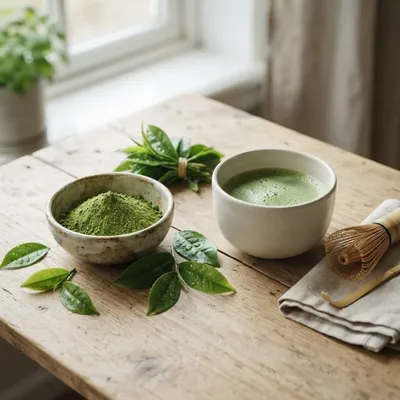
Green tea contains catechins, chiefly EGCG, alongside caffeine. Brewed tea has a long safety record and a modest place in a healthy diet. Concentrated extracts are a different proposition: European regulators have flagged doses at or above 800 mg of EGCG daily following reports of liver injury, and several countries now require a warning on the label.
What it is commonly used for
These are the uses with published human research behind them, in rough order of how well supported they are. Being on this list means a claim has been studied — not that it has been settled.
- Small increases in energy expenditure
- Antioxidant intake
- Fat oxidation during exercise

Forms, and which one to buy
Form is where most of the money is won or lost with green tea extract (egcg). Two products can list the same ingredient and deliver very different amounts of it.
| Form | What it means in practice |
|---|---|
| Brewed green tea | The form with the long safety record. A cup provides roughly 50–100 mg EGCG. |
| Standardized extract | Concentrated EGCG. This is where the liver signal comes from — check the dose. |
| Decaffeinated extract | Removes the stimulant, keeps the catechins. |
Dosage and timing
Keep supplemental EGCG below 800 mg daily. Brewed tea is not associated with the same concern.
Metabolic effects are small and measurable only in controlled settings.
Side effects, interactions and who should avoid it
Possible side effects
- Nausea if taken on an empty stomach
- Insomnia from the caffeine content
- Rare but documented liver injury with high-dose extracts
Drug interactions
- Reduces non-haem iron absorption — separate from iron supplements
- Can affect warfarin because of vitamin K content
- Adds to other caffeine sources
Not suitable for
- People with liver disease
- Pregnancy at extract doses
- Anyone with iron-deficiency anemia should separate it from meals
This is not a complete list. If you take prescription medication, a pharmacist can check your full record against any supplement in a few minutes.

Goals this ingredient is used for
Weight Management
Only three real mechanisms: satiety, glucose handling, small energy expenditure
Energy Support
Test first: iron, B12, vitamin D and thyroid cover most testable causes
Frequently asked questions
Does green tea extract help with weight loss?
Is green tea extract safe for the liver?
How much EGCG is in a cup of green tea?

Sources
We link to primary literature and to national health bodies rather than to other supplement sites. Where a link points to a PubMed search rather than a single paper, that is deliberate — it shows you the whole body of work rather than the one study that happens to support a sales page.