
Ingredient guides
Supplement Ingredients: Doses, Evidence and Interactions
31 guides written the same way — what it is, which form actually absorbs, the dose trials used, how long it takes, and which medications it interacts with. Grouped by how strong the evidence really is.
Read the evidence level first. It is the single most useful thing on each page. An ingredient rated Early is not necessarily bad — it means the research is mostly laboratory work, and that you are paying for a hypothesis rather than a finding.
Strong evidence
8 ingredientsMultiple well-designed human trials pointing the same way. If you buy one thing from this page, buy from here.
Magnesium
A mineral involved in hundreds of enzyme reactions — and one most adults fall short of.
Vitamin D
A hormone your skin makes from sunlight — and often does not make enough of.
Omega-3 (EPA & DHA)
The two marine fatty acids your brain, retina and cell membranes are built from.
Creatine
The most-researched sports supplement there is — increasingly studied for the brain too.
Zinc
Essential, well evidenced, and easy to overdo — the copper balance is the part people miss.
Soluble fiber
The least marketed and best evidenced thing in the supplement aisle.
Protein
The most useful supplement in the aisle, filed under sports nutrition instead of health.
Lutein & zeaxanthin
The two carotenoids that physically build up in your macula — the best-evidenced pair in eye health.
Moderate evidence
9 ingredientsSeveral human trials with broadly consistent results, or one large one. Reasonable to try, with realistic expectations.
Ashwagandha
Withania somnifera
An Ayurvedic adaptogen with reasonable stress evidence and a real liver caution.
Collagen peptides
Hydrolysed protein fragments with modest but repeatable joint and skin evidence.
Probiotics
Live bacteria whose effects are strain-specific — the genus on the label tells you nothing.
Coenzyme Q10
A mitochondrial antioxidant that statins deplete — which is where it matters most.
Berberine
A plant alkaloid with real metabolic evidence — and the heaviest interaction list here.
Turmeric & curcumin
Curcuma longa
Genuinely useful for joint comfort — but only in a form your body can absorb.
L-theanine
The amino acid in tea that takes the edge off caffeine without dulling the focus.
Melatonin
A timing signal rather than a sedative — which is why the dose is usually far too high.
Saw palmetto
Serenoa repens
The world’s standard prostate botanical, where extract quality decides everything.
Limited evidence
8 ingredientsSmall or conflicting trials. Some of these are genuinely promising; none are settled.
Cinnamon
Cinnamomum verum / cassia
A common spice where the species on the label decides whether daily use is safe.
Green tea extract (EGCG)
Camellia sinensis
A pleasant drink with a small metabolic effect — and a concentrated extract with a liver caution.
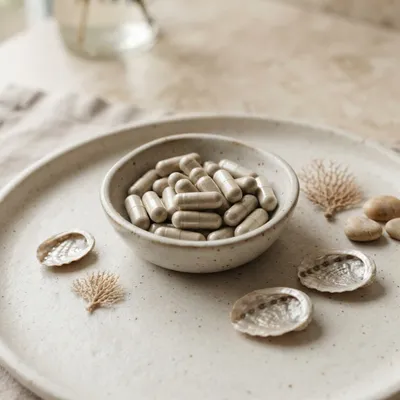
Glucosamine
One of the most widely used joint ingredients, studied mostly in its sulfate form.
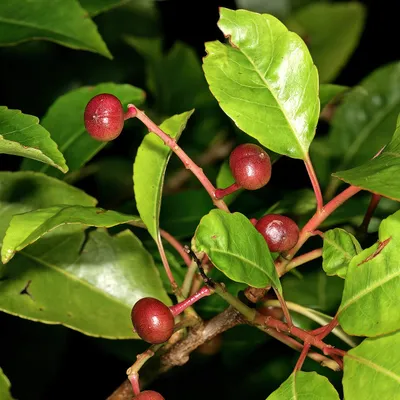
Pygeum africanum
Prunus africana
African plum bark, long used in European prostate formulas — with a sustainability problem.
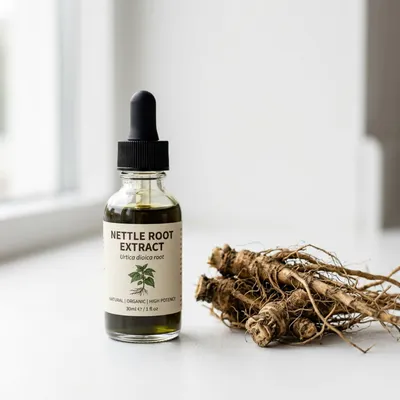
Stinging nettle root
Urtica dioica
The traditional third element of the classic prostate trio — root, not leaf.
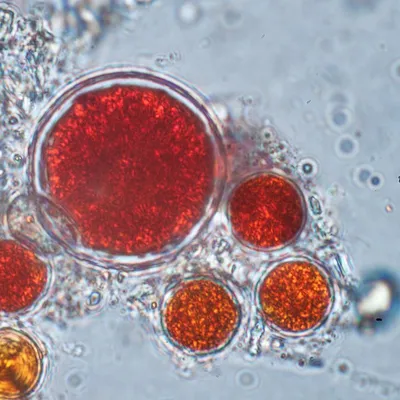
Astaxanthin
The red algal carotenoid behind salmon’s color, studied for screen-tired eyes.
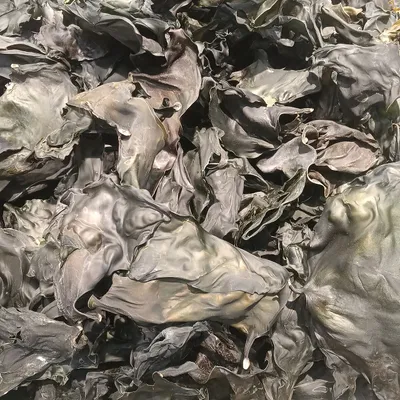
Kelp
Laminaria / Ascophyllum
A mineral-rich seaweed — and one of the most concentrated iodine sources you can buy.
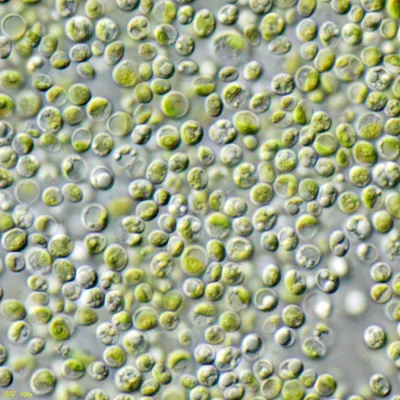
Chlorella
A freshwater microalga sold as a whole-food supplement — the cell wall matters.
Early evidence
6 ingredientsMostly laboratory or animal work. Interesting science, sold well ahead of what it currently shows.
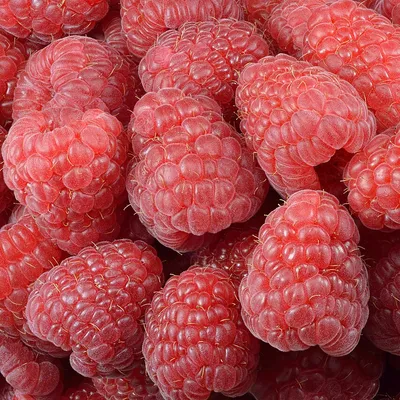
Red raspberry
Rubus idaeus
A polyphenol-rich fruit extract that appears as a supporting ingredient, not a lead one.
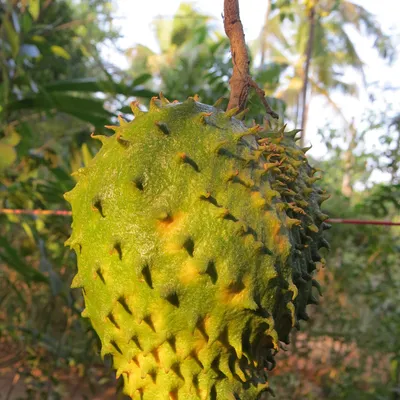
Soursop (graviola)
Annona muricata
A tropical fruit extract with a genuine neurological safety question attached.
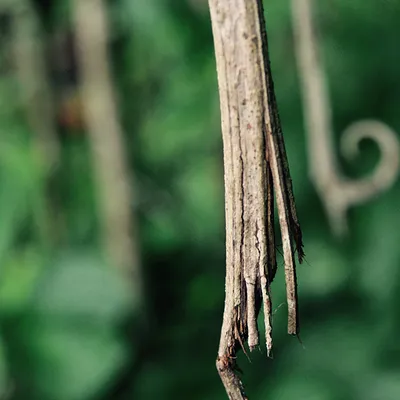
Cat’s claw
Uncaria tomentosa
An Amazonian vine studied for immune modulation — which is exactly why it needs care.
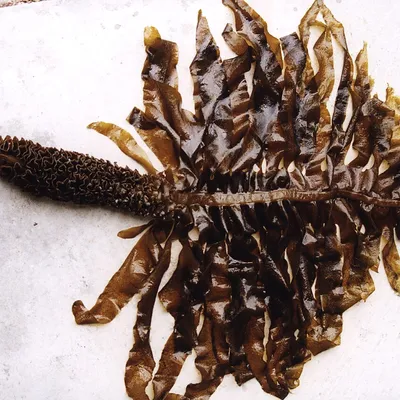
Wakame
Undaria pinnatifida
The seaweed in miso soup, sold for its fucoxanthin content.
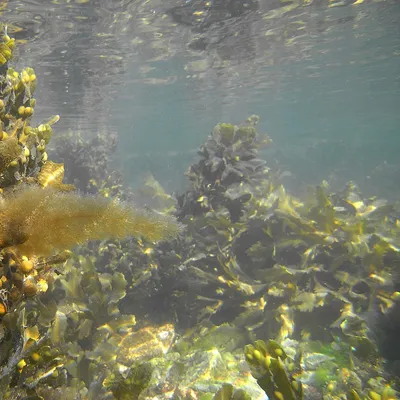
Ecklonia cava
A Korean brown alga rich in phlorotannins — genuinely interesting, genuinely early.
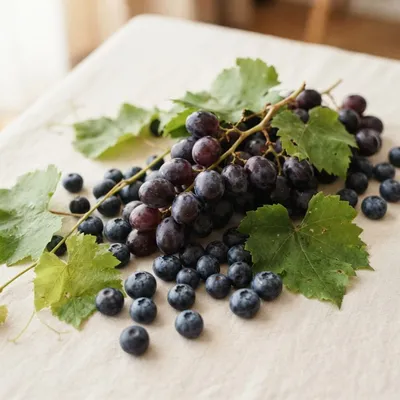
Resveratrol
The red wine polyphenol studied for healthy aging, with human research still developing.