

What healthy aging actually involves
Four things genuinely change with age, and they explain almost every sensible recommendation in this section. Stomach acid production falls, which reduces B12 absorption from food. Skin becomes less efficient at making vitamin D from sunlight. Muscle responds less strongly to dietary protein, so you need more of it to get the same effect. And appetite tends to shrink, which means less of everything.
The single highest-value change is not a capsule. It is eating more protein and doing resistance training. Muscle loss after 50 is what most directly costs people independence — through falls, weakness and reduced mobility — and it responds to those two things better than to anything else available.
Vitamin D and B12 are worth testing rather than assuming. Both are common shortfalls in this age group, both are cheap to correct, and both produce a real difference when the shortfall is genuine.
Where the research still sits: NMN, resveratrol and similar longevity compounds rest largely on animal work and short human trials measuring biomarkers. They are an area to watch rather than the first place to spend, and the everyday basics — vitamin D, omega-3, magnesium, protein — are where most readers see the clearest value.

Ingredients used for healthy aging, and what the evidence says
Each row gives the evidence level as we read it, plus the practical detail that usually decides whether a product works — the form, the dose, or the caveat.
| Ingredient | Evidence | What matters in practice |
|---|---|---|
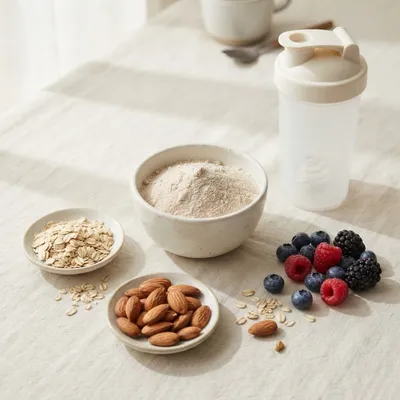
| Protein | Strong | The highest-value item on this list. Older adults need roughly 1.0–1.2 g per kg of body weight daily, spread across meals, to counter age-related muscle loss. |
| Vitamin D | Strong | Skin synthesis declines with age. Supports muscle function and bone. Worth testing rather than guessing. |
| Vitamin B12 | Strong | Absorption from food falls as stomach acid declines, and metformin and long-term acid reducers make it worse. Deficiency causes fatigue and nerve symptoms. |
| Creatine | Strong | Increasingly studied in older adults for muscle mass, strength and cognition. Cheap, well tolerated, 3–5 g daily. |
| Omega-3 (EPA/DHA) | Moderate | Supports cardiovascular and cognitive health, particularly if you rarely eat oily fish. |
| Calcium and vitamin K2 | Moderate | Best from food where possible. K2 directs calcium into bone. K2 interacts with warfarin. |
| Magnesium | Moderate | Intake commonly falls short in older adults. Involved in muscle function, sleep and glucose handling. |
| NMN / resveratrol | Early | Animal data is genuinely interesting; human evidence measures biomarkers rather than outcomes. Expensive for what is known. |
Full ingredient guides for this goal
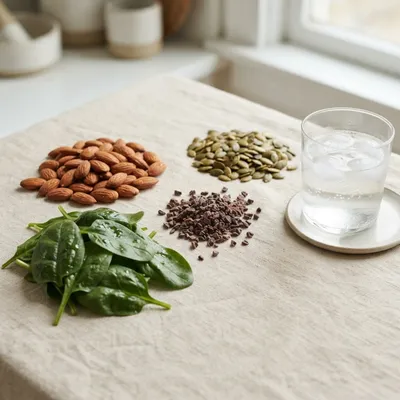
Magnesium
200–400 mg of elemental magnesium daily

Vitamin D
1,000–2,000 IU (25–50 µg) daily is typical for maintenance in adults
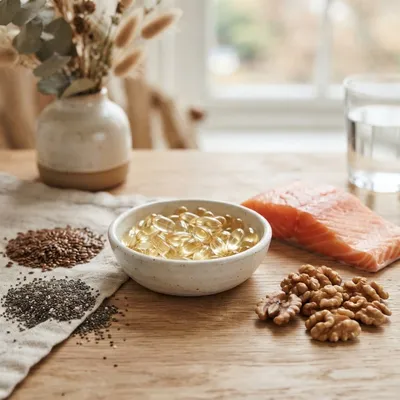
Omega-3 (EPA & DHA)
Roughly 250–500 mg combined EPA+DHA daily for general intake

Creatine
3–5 g daily, taken at any time

Collagen peptides
10 g daily of hydrolysed peptides for joints, or 2
Coenzyme Q10
100–200 mg daily with a meal containing fat
Melatonin
0
Protein
1
Astaxanthin
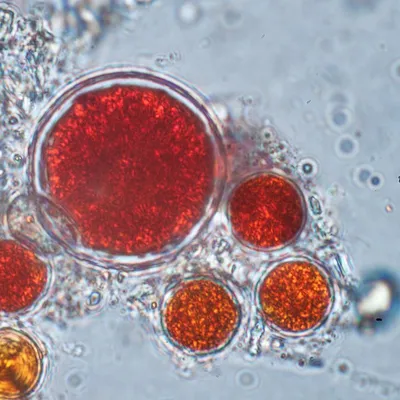
4–12 mg daily
Chlorella
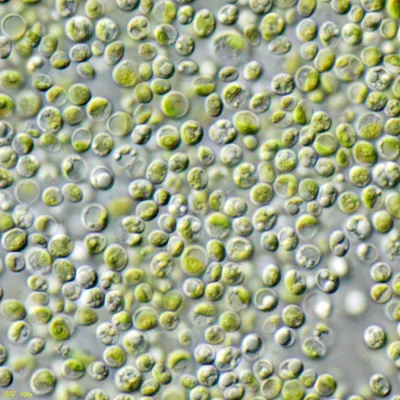
2–3 g daily in most trials

Lutein & zeaxanthin
10 mg lutein and 2 mg zeaxanthin daily — the AREDS2 amounts

Resveratrol
Trials have used 150–500 mg daily of trans-resveratrol, with inconsistent results

Who should be careful
These are the interactions and situations that come up most often for this goal. They are not a complete list — your pharmacist has your full medication record and can check it in a couple of minutes, for free.
- Polypharmacy is the real risk in this age group. Every supplement added to four or five prescriptions increases the chance of an interaction — take the whole list to a pharmacist.
- Vitamin K2 interacts directly with warfarin.
- Calcium supplements above what you need have been associated with cardiovascular concerns. Food sources first.
- Fat-soluble vitamins A, D, E and K accumulate. Adding a multivitamin to a targeted supplement stacks them easily.
- Hearing and vision correction do more for staying independent than any supplement in this section.
See a healthcare professional if you notice
- Unexplained weight loss, which needs investigation at any age
- A fall, or a new unsteadiness on your feet
- Memory change that people around you have noticed
- An annual medication review if you take more than four prescriptions
Products reviewed for healthy aging
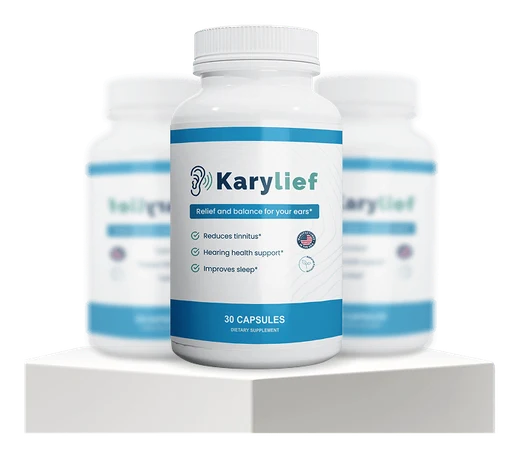
Scored on our published model. Note how often the score is decided by whether the brand publishes its formula at all.

Frequently asked questions
What supplements should someone over 50 actually take?
Is creatine safe for older adults?
Do NMN and resveratrol slow aging?
How much protein do I need after 60?

Where to go next
Once you know which ingredients matter for this goal, the next questions are usually the same two: which specific product publishes enough to be worth buying, and where you can actually get it. Our product reviews answer the first, and the country guides answer the second.
Joint Support
Collagen and curcumin have the most consistent human evidence — and both need about 3 months
Vision Support
AREDS2 doses: 10 mg lutein, 2 mg zeaxanthin, 25 mg zinc, 2 mg copper, 500 mg vitamin C, 400 IU vitamin E
Focus & Memory
Bacopa: about 300 mg standardized extract, 12 weeks, with food
Weight Management
Only three real mechanisms: satiety, glucose handling, small energy expenditure