- Evidence level
- Early
- Category
- Botanical
- Typical dose
- Trials have used 150–500 mg daily of trans-resveratrol, with inconsistent results.
- How long it takes
- Not established in humans.
What resveratrol is
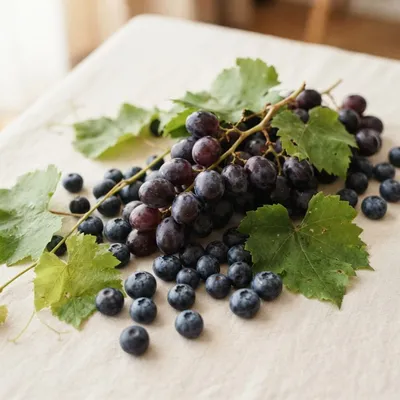
Resveratrol is a polyphenol in grape skins, red wine and Japanese knotweed. It became famous through the "French paradox" and early work suggesting it activated the same longevity pathways as calorie restriction in yeast and mice. Human trials have been much less encouraging, and bioavailability is a large part of why — it is metabolised very rapidly.
What it is commonly used for
These are the uses with published human research behind them, in rough order of how well supported they are. Being on this list means a claim has been studied — not that it has been settled.
- Marketed for longevity and cardiovascular health
- Antioxidant intake

Forms, and which one to buy
Form is where most of the money is won or lost with resveratrol. Two products can list the same ingredient and deliver very different amounts of it.
| Form | What it means in practice |
|---|---|
| Trans-resveratrol | The active isomer. Anything else is largely inert. |
| From Japanese knotweed | The usual commercial source, far more concentrated than grapes. |
| With piperine | An attempt to slow the very rapid metabolism. |
Dosage and timing
Trials have used 150–500 mg daily of trans-resveratrol, with inconsistent results.
Not established in humans.
Side effects, interactions and who should avoid it
Possible side effects
- Digestive upset at higher doses
Drug interactions
- May add to blood-thinning medication
- Inhibits some liver enzymes, affecting drug metabolism
Not suitable for
- Hormone-sensitive conditions — resveratrol has weak oestrogenic activity
- Anyone on anticoagulants without medical advice
This is not a complete list. If you take prescription medication, a pharmacist can check your full record against any supplement in a few minutes.

Goals this ingredient is used for
Frequently asked questions
Does resveratrol extend lifespan?
How much red wine would match a supplement dose?

Sources
We link to primary literature and to national health bodies rather than to other supplement sites. Where a link points to a PubMed search rather than a single paper, that is deliberate — it shows you the whole body of work rather than the one study that happens to support a sales page.