

What hearing support actually involves
Start with the urgent part. Sudden sensorineural hearing loss — hearing that drops noticeably in one ear over hours or a couple of days — is treatable, but the treatment window is short. Steroid treatment started within about two weeks gives the best chance of recovery. Reaching for a supplement instead of a doctor can cost you that window permanently.
For gradual, age-related change, the picture is different but the honest answer is still modest. Most supplement research here concerns protection rather than repair: whether certain nutrients reduce damage from loud noise exposure.
Magnesium has the most credible evidence in that protective role, with several military and industrial studies suggesting less temporary threshold shift after noise exposure. That is a specific and fairly narrow finding, not a general hearing improvement.
Tinnitus is worth mentioning separately because it is what brings most people to this category. No supplement has consistently reduced tinnitus in controlled trials. What does help is sound therapy, addressing any underlying hearing loss, and treating the sleep and anxiety problems that amplify the perception of it.

Ingredients used for hearing support, and what the evidence says
Each row gives the evidence level as we read it, plus the practical detail that usually decides whether a product works — the form, the dose, or the caveat.
| Ingredient | Evidence | What matters in practice |
|---|---|---|
| Magnesium | Moderate | The best-evidenced ingredient here, mainly for protection during noise exposure. Glycinate absorbs better and is gentler than oxide. |
| Alpha lipoic acid | Limited | Antioxidant with some animal evidence in age-related hearing change. Human data is thin. Can lower blood sugar. |
| Coenzyme Q10 | Limited | Mitochondrial antioxidant with small trials in sudden hearing loss as an adjunct. Ubiquinol absorbs better than ubiquinone. |
| Zinc | Limited | Some evidence in tinnitus specifically for people who are zinc-deficient. Not for everyone. |
| Folate (B9) | Limited | One Dutch trial found slower low-frequency hearing decline with folate supplementation. |
| Ginkgo biloba | Early | Widely sold for tinnitus; controlled trials have not supported it. Interacts with blood thinners. |
| N-acetylcysteine | Early | Investigated for noise-induced hearing protection, mostly in occupational settings. |
Full ingredient guides for this goal
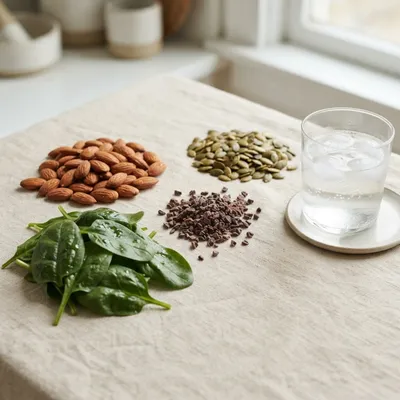
Magnesium
200–400 mg of elemental magnesium daily

Coenzyme Q10
100–200 mg daily with a meal containing fat

Turmeric & curcumin
500–1,000 mg of curcuminoids daily, in an enhanced-absorption form, taken with food containing fat
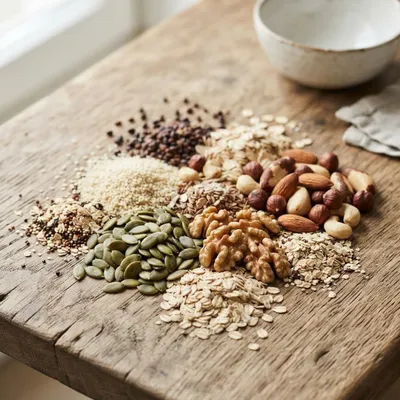
Zinc
8–11 mg daily meets normal requirements

Who should be careful
These are the interactions and situations that come up most often for this goal. They are not a complete list — your pharmacist has your full medication record and can check it in a couple of minutes, for free.
- Sudden hearing loss in one ear is an emergency. See a doctor the same day — the treatment window is roughly two weeks.
- No supplement restores lost hearing. Products implying otherwise are making a claim nothing supports.
- Alpha lipoic acid can lower blood sugar, which matters if you take diabetes medication.
- Ginkgo interacts with warfarin and other anticoagulants.
- Hearing aids and hearing protection do far more for hearing than any supplement. Untreated hearing loss is also a recognized risk factor for cognitive decline.
See a healthcare professional if you notice
- Sudden hearing loss in one ear — same-day medical attention
- Tinnitus in only one ear, or pulsing in time with your heartbeat
- Hearing loss with dizziness or balance problems
- Ear pain, discharge, or a sense of blockage that does not clear
Products reviewed for hearing support
Scored on our published model. Note how often the score is decided by whether the brand publishes its formula at all.
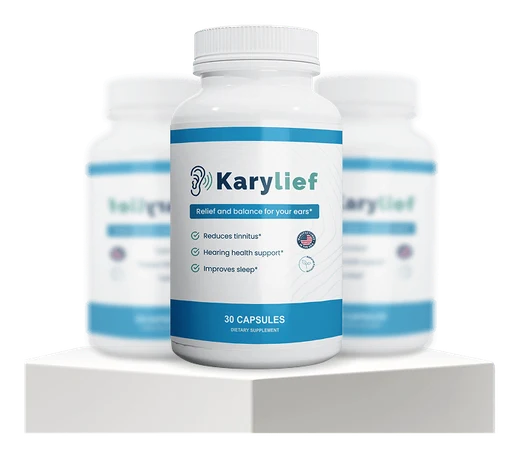
KaryLief
4.6Capsules
Adults noticing ringing or fullness in the ears who want a circulation-focused formula
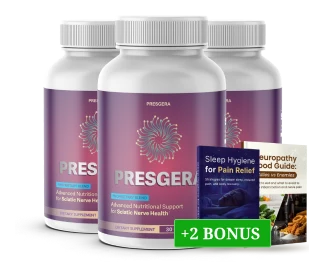
Presgera
4.2Capsules
A hearing-support offer with clear tiered pricing and bundled guides on the larger packs.

Frequently asked questions
Can supplements restore lost hearing?
What actually helps with tinnitus?
Why is sudden hearing loss urgent?
Does magnesium protect hearing?

Where to go next
Once you know which ingredients matter for this goal, the next questions are usually the same two: which specific product publishes enough to be worth buying, and where you can actually get it. Our product reviews answer the first, and the country guides answer the second.
Joint Support
Collagen and curcumin have the most consistent human evidence — and both need about 3 months
Vision Support
AREDS2 doses: 10 mg lutein, 2 mg zeaxanthin, 25 mg zinc, 2 mg copper, 500 mg vitamin C, 400 IU vitamin E
Focus & Memory
Bacopa: about 300 mg standardized extract, 12 weeks, with food
Weight Management
Only three real mechanisms: satiety, glucose handling, small energy expenditure