- Evidence level
- Moderate
- Category
- Botanical
- Scientific name
- Curcuma longa
- Typical dose
- 500–1,000 mg of curcuminoids daily, in an enhanced-absorption form, taken with food containing fat.
- How long it takes
- Joint trials generally found differences at 8–12 weeks.
What turmeric & curcumin is
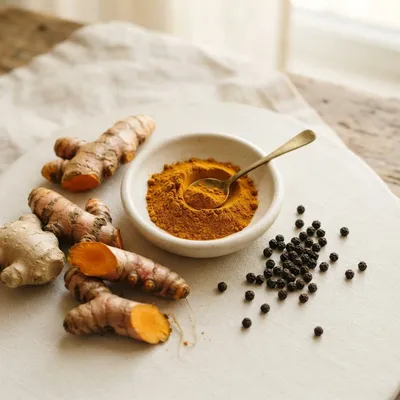
Turmeric root contains curcuminoids, of which curcumin is the most studied. It has a real anti-inflammatory mechanism and several trials putting it close to over-the-counter anti-inflammatories for knee comfort. The problem is absorption: curcumin on its own is barely bioavailable, which is why the delivery form matters more here than in almost any other ingredient.
What it is commonly used for
These are the uses with published human research behind them, in rough order of how well supported they are. Being on this list means a claim has been studied — not that it has been settled.
- Knee and joint comfort
- Exercise-induced muscle soreness
- General inflammatory markers

Forms, and which one to buy
Form is where most of the money is won or lost with turmeric & curcumin. Two products can list the same ingredient and deliver very different amounts of it.
| Form | What it means in practice |
|---|---|
| With piperine (black pepper) | The classic pairing. Piperine raises curcumin bioavailability substantially and costs almost nothing. |
| Phytosome (Meriva) | Bound to phospholipids for much better absorption. Used in several of the joint trials. |
| Liposomal / micellar | Higher absorption again, at higher cost. |
| Plain turmeric powder | Only about 3% curcuminoids and poorly absorbed. Excellent in food, weak as a supplement. |
Dosage and timing
500–1,000 mg of curcuminoids daily, in an enhanced-absorption form, taken with food containing fat.
Joint trials generally found differences at 8–12 weeks.
Side effects, interactions and who should avoid it
Possible side effects
- Digestive upset at high doses
- May aggravate reflux in some people
Drug interactions
- Mild blood-thinning effect — check if you take warfarin or similar
- May reduce absorption of iron supplements
- Piperine itself alters the metabolism of some medications
Not suitable for
- People with gallstones or bile duct obstruction
- Anyone due for surgery should stop two weeks beforehand
This is not a complete list. If you take prescription medication, a pharmacist can check your full record against any supplement in a few minutes.

Products in our catalogue containing turmeric & curcumin
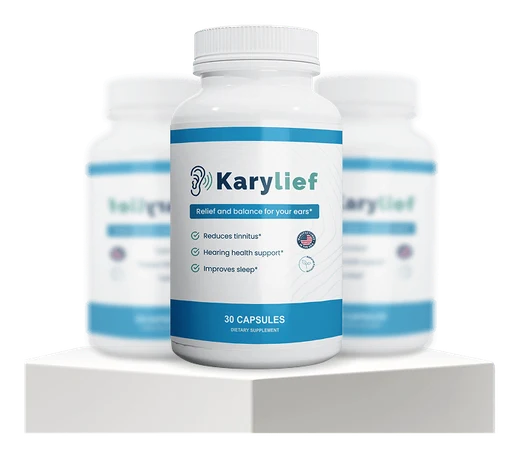
Scored on our published model. Note whether each one states how much turmeric & curcumin it actually contains — most do not.
Goals this ingredient is used for
Joint Support
Collagen and curcumin have the most consistent human evidence — and both need about 3 months
Hearing Support
Sudden one-sided hearing loss is an emergency — roughly a two-week treatment window
Frequently asked questions
Why does curcumin need black pepper?
Is cooking with turmeric enough?
Does curcumin work as well as ibuprofen?

Sources
We link to primary literature and to national health bodies rather than to other supplement sites. Where a link points to a PubMed search rather than a single paper, that is deliberate — it shows you the whole body of work rather than the one study that happens to support a sales page.