- Evidence level
- Early
- Category
- Botanical
- Scientific name
- Uncaria tomentosa
- Typical dose
- 250–350 mg daily of standardized extract in the small trials available.
- How long it takes
- Joint trials ran about 4–8 weeks.
What cat’s claw is
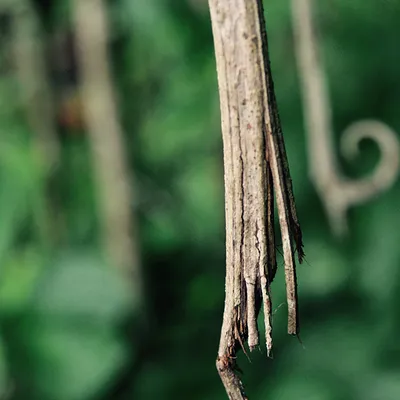
Cat’s claw is a woody vine from the Amazon, named for the hooked thorns along its stem. Traditional use covers inflammation and immune complaints, and modern interest focuses on its alkaloids. The important practical point: an ingredient that modulates immune function is one to check carefully if you take immunosuppressant medication or have an autoimmune condition.
What it is commonly used for
These are the uses with published human research behind them, in rough order of how well supported they are. Being on this list means a claim has been studied — not that it has been settled.
- Joint discomfort
- Immune support in traditional use
- Supporting role in combination formulas

Forms, and which one to buy
Form is where most of the money is won or lost with cat’s claw. Two products can list the same ingredient and deliver very different amounts of it.
| Form | What it means in practice |
|---|---|
| Bark extract | The usual form, often standardized to oxindole alkaloid content. |
| Root extract | Traditionally considered stronger; harvesting it kills the plant. |
Dosage and timing
250–350 mg daily of standardized extract in the small trials available.
Joint trials ran about 4–8 weeks.
Side effects, interactions and who should avoid it
Possible side effects
- Digestive upset
- Headache
- Dizziness
Drug interactions
- May reduce the effectiveness of immunosuppressant medication
- May affect blood pressure medication
- Can affect how the liver metabolises some drugs
Not suitable for
- Anyone on immunosuppressants or who has had a transplant
- Autoimmune conditions, without medical advice
- Pregnancy and breastfeeding
This is not a complete list. If you take prescription medication, a pharmacist can check your full record against any supplement in a few minutes.

Goals this ingredient is used for
Prostate Support
Saw palmetto: 320 mg daily of standardized lipid extract in the positive trials
Joint Support
Collagen and curcumin have the most consistent human evidence — and both need about 3 months
Frequently asked questions
Who should avoid cat’s claw?
Is there good evidence for cat’s claw?

Sources
We link to primary literature and to national health bodies rather than to other supplement sites. Where a link points to a PubMed search rather than a single paper, that is deliberate — it shows you the whole body of work rather than the one study that happens to support a sales page.