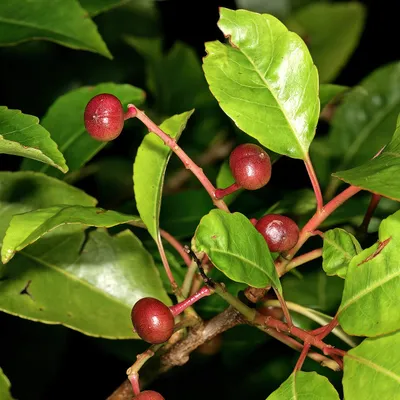
- Evidence level
- Limited
- Category
- Botanical
- Scientific name
- Prunus africana
- Typical dose
- 100–200 mg daily of standardized bark extract.
- How long it takes
- Trials generally ran 8–12 weeks.
What pygeum africanum is
Pygeum is the bark of Prunus africana, an evergreen native to montane Africa. It has been used in French and Italian prostate preparations since the 1960s. There is one detail buyers rarely hear: demand for the bark led to such heavy wild harvesting that the species is listed under CITES Appendix II, so sourcing is a real ethical consideration here.
What it is commonly used for
These are the uses with published human research behind them, in rough order of how well supported they are. Being on this list means a claim has been studied — not that it has been settled.
- Urinary symptoms of benign prostatic enlargement
- Nocturia
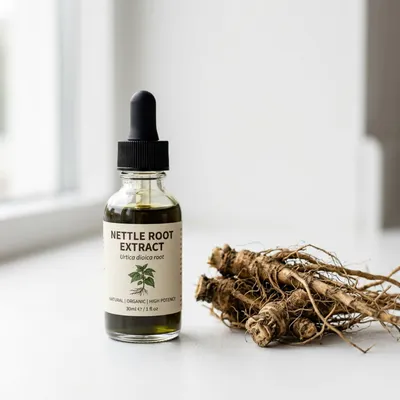
- Usually combined with saw palmetto and nettle

Forms, and which one to buy
Form is where most of the money is won or lost with pygeum africanum. Two products can list the same ingredient and deliver very different amounts of it.
| Form | What it means in practice |
|---|---|
| Standardized bark extract | Typically standardized to 13% total sterols. Trial doses were 100–200 mg daily. |
| In combination formulas | How it is most often sold and how most of its evidence was generated. |
Dosage and timing
100–200 mg daily of standardized bark extract.
Trials generally ran 8–12 weeks.
Side effects, interactions and who should avoid it
Possible side effects
- Mild digestive upset
- Nausea
Drug interactions
- No major documented interactions, but its usual companions in formulas do have them
Not suitable for
- Anyone who has not had urinary symptoms medically assessed
This is not a complete list. If you take prescription medication, a pharmacist can check your full record against any supplement in a few minutes.

Goals this ingredient is used for
Frequently asked questions
Is pygeum sustainably sourced?
Is pygeum better than saw palmetto?
How long does pygeum take?

Sources
We link to primary literature and to national health bodies rather than to other supplement sites. Where a link points to a PubMed search rather than a single paper, that is deliberate — it shows you the whole body of work rather than the one study that happens to support a sales page.