- Evidence level
- Moderate
- Category
- Botanical
- Typical dose
- 500 mg two to three times daily with meals. Splitting the dose matters — absorption is poor and single large doses cause more digestive upset.
- How long it takes
- Glucose and lipid changes in trials appeared over 8–12 weeks.
What berberine is
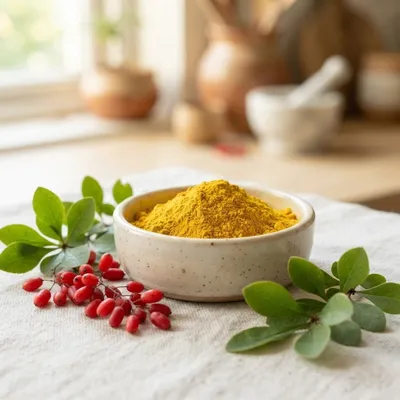
Berberine is a yellow alkaloid extracted from plants including barberry, goldenseal and Chinese goldthread. It activates AMPK, a cellular energy sensor, and has been studied extensively for glucose and lipid metabolism — with effect sizes in some trials compared to pharmaceutical options. That potency is exactly why its interaction profile deserves attention.
What it is commonly used for
These are the uses with published human research behind them, in rough order of how well supported they are. Being on this list means a claim has been studied — not that it has been settled.
- Blood glucose and HbA1c
- Cholesterol and triglycerides
- Insulin sensitivity
- PCOS-related metabolic markers

Forms, and which one to buy
Form is where most of the money is won or lost with berberine. Two products can list the same ingredient and deliver very different amounts of it.
| Form | What it means in practice |
|---|---|
| Berberine HCl | The standard form used in most trials. Poorly absorbed, which is why dosing is split across the day. |
| Dihydroberberine | Marketed as better absorbed at lower doses. Human evidence is limited so far. |
| With milk thistle (silymarin) | A combination studied for improved absorption. |
Dosage and timing
500 mg two to three times daily with meals. Splitting the dose matters — absorption is poor and single large doses cause more digestive upset.
Glucose and lipid changes in trials appeared over 8–12 weeks.
Side effects, interactions and who should avoid it
Possible side effects
- Digestive upset, cramping, diarrhea or constipation — common at first
- Bitter taste
Drug interactions
- Inhibits CYP3A4, raising blood levels of many medications including several statins and ciclosporin
- Adds to metformin and other glucose-lowering drugs, risking hypoglycaemia
- May increase the effect of blood-pressure medication and anticoagulants
Not suitable for
- Pregnancy and breastfeeding — berberine crosses the placenta and is specifically contraindicated
- Newborns and infants
- Anyone on prescription medication without a pharmacist check
This is not a complete list. If you take prescription medication, a pharmacist can check your full record against any supplement in a few minutes.

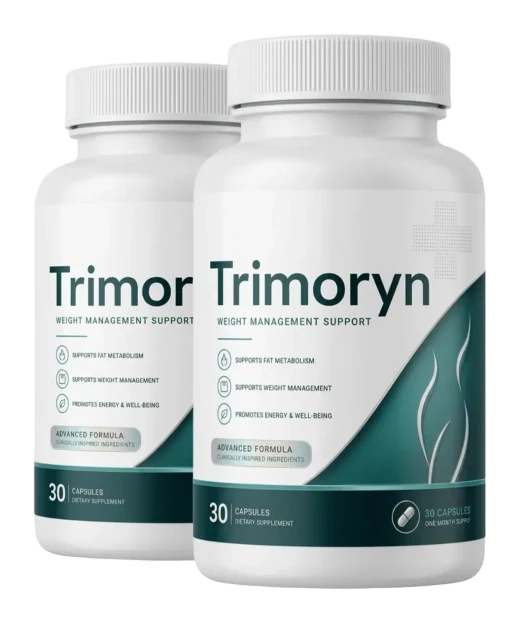
Products in our catalogue containing berberine
Scored on our published model. Note whether each one states how much berberine it actually contains — most do not.
Goals this ingredient is used for
Blood Sugar Support
Berberine has the best evidence and the heaviest interaction list — pharmacist first
Weight Management
Only three real mechanisms: satiety, glucose handling, small energy expenditure
Frequently asked questions
Is berberine as effective as metformin?
Why does berberine need to be split into several doses?
What medications does berberine interact with?

Sources
We link to primary literature and to national health bodies rather than to other supplement sites. Where a link points to a PubMed search rather than a single paper, that is deliberate — it shows you the whole body of work rather than the one study that happens to support a sales page.