

What focus & memory actually involves
It is worth separating three things that get sold together. Short-term alertness — what caffeine and L-theanine do — is real, fast and modest. Memory formation over weeks is what bacopa is studied for. And long-term brain aging is a different question again, where diet, sleep, blood pressure and exercise carry far more weight than anything in a bottle.
The most useful filter for this category is time. If a product promises a difference this week, it is selling stimulation. If it describes a twelve-week course, it is at least describing the timeframe the memory research actually used.
The second filter is dose. Bacopa below roughly 300 mg of a standardized extract puts you outside the trials entirely. Phosphatidylserine research used 100 mg three times daily. DHA studies used a gram or more. A blend that fits six ingredients into one small capsule is unlikely to hit any of those.
And a note that matters more than any ingredient: persistent memory change is a medical symptom. Getting lost somewhere familiar, or struggling with words in everyday conversation, deserves a proper assessment rather than a supplement.

Ingredients used for focus & memory, and what the evidence says
Each row gives the evidence level as we read it, plus the practical detail that usually decides whether a product works — the form, the dose, or the caveat.
| Ingredient | Evidence | What matters in practice |
|---|---|---|
| Bacopa monnieri | Moderate | The most-studied herb for memory. Trials used around 300 mg of standardized extract for 12 weeks. Commonly causes digestive upset, so take it with food. |
| Phosphatidylserine | Moderate | A phospholipid in neuronal membranes and the only ingredient here with a qualified FDA health claim. Research used 100 mg three times daily. |
| Omega-3 DHA | Moderate | The main structural fat in gray matter. Benefit appears mainly in people with low intake to start with. Trials used 1 g or more of DHA. |
| L-theanine with caffeine | Moderate | The most reliable short-term effect in the category. 100–200 mg theanine with 50–100 mg caffeine improves focus while taking the edge off jitter. |
| Ginkgo biloba | Limited | Extensively studied for memory and circulation. Interacts with anticoagulants. |
| Rhodiola rosea | Limited | Better evidenced for mental fatigue than for memory. Interacts with antidepressants. |
| Lion’s mane | Early | Interesting nerve-growth-factor mechanism, but human evidence is a few small trials. Genuinely early-stage. |
Full ingredient guides for this goal
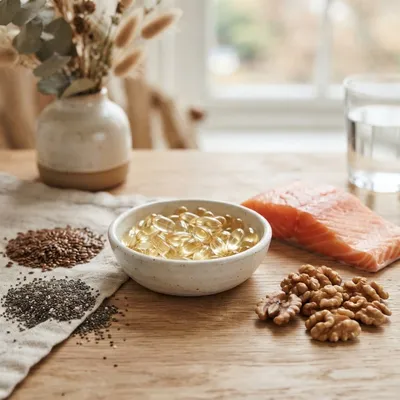
Omega-3 (EPA & DHA)
Roughly 250–500 mg combined EPA+DHA daily for general intake

Ashwagandha
300–600 mg daily of a standardized root extract, usually split into two doses

L-theanine
100–200 mg, with or without 50–100 mg caffeine

Who should be careful
These are the interactions and situations that come up most often for this goal. They are not a complete list — your pharmacist has your full medication record and can check it in a couple of minutes, for free.
- Ginkgo and omega-3 both affect clotting. If you take warfarin, apixaban, clopidogrel or aspirin, talk to your doctor first.
- Rhodiola can interact with SSRIs and MAOIs. Do not stack it with an antidepressant without medical advice.
- Bacopa frequently causes nausea, cramping or loose stools when taken on an empty stomach.
- Stimulant-based focus products can raise blood pressure and disturb sleep — which then costs you the cognition you were trying to buy.
See a healthcare professional if you notice
- Getting lost in a place you know well
- Repeatedly struggling to find everyday words in conversation
- Memory change that family or colleagues notice before you do
- Any sudden confusion, which needs urgent assessment

Frequently asked questions
Do nootropics actually work?
How long does bacopa take to work?
Is lion’s mane worth taking?
Can supplements prevent dementia?

Where to go next
Once you know which ingredients matter for this goal, the next questions are usually the same two: which specific product publishes enough to be worth buying, and where you can actually get it. Our product reviews answer the first, and the country guides answer the second.
Joint Support
Collagen and curcumin have the most consistent human evidence — and both need about 3 months
Vision Support
AREDS2 doses: 10 mg lutein, 2 mg zeaxanthin, 25 mg zinc, 2 mg copper, 500 mg vitamin C, 400 IU vitamin E
Weight Management
Only three real mechanisms: satiety, glucose handling, small energy expenditure
Blood Sugar Support
Berberine has the best evidence and the heaviest interaction list — pharmacist first